Recycling and Sustainability at Ratcliff Storage
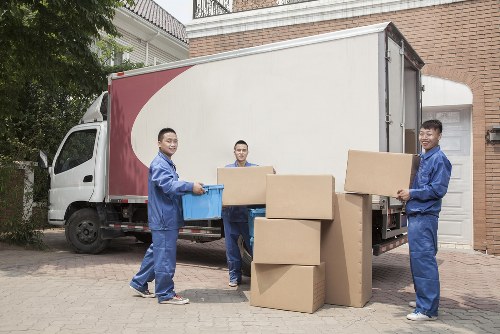 At Ratcliff Storage, sustainability is part of how we think about everyday operations. Our approach to recycling and storage is built around practical choices that reduce waste, support local reuse, and keep materials moving into the right recovery streams. We are working towards a minimum 80% recycling and recovery target across our day-to-day operational waste, with a clear focus on improving sorting, reducing contamination, and directing usable materials away from landfill. This includes cardboard, plastics, pallet wrap, metal fittings, wood, and general office recyclables, all separated with care so they can be processed efficiently.
Storage businesses generate a wide mix of waste, so good separation matters. In line with the wider approach seen across many boroughs, we keep a close eye on what can be recycled locally and what needs specialist handling. That means setting aside mixed dry recycling, arranging separate collection for cardboard, and ensuring any bulky or damaged items are assessed for reuse before disposal. Our recycling-led storage model is designed to be realistic and consistent, making it easier to keep improving month by month.
We also work with local transfer stations that help keep waste journeys short and efficient. These facilities play an important role in the regional circular economy, sorting and forwarding materials such as paper, metals, timber, and plastics for reprocessing. By using nearby transfer stations rather than sending everything long distances, we can cut transport emissions and improve the traceability of the waste we handle.  This local-first method supports both our recycling targets and our wider sustainability goals.
Our sustainability commitments also include partnerships with charities and reuse organisations. Where items are still in good condition, we prioritise donation and redistribution instead of disposal. Shelving, desks, storage accessories, and other reusable goods can often have a second life through local charity channels or community projects. These partnerships help reduce waste while also supporting people and organisations that can benefit from affordable or donated items. For us, Ratcliff Storage sustainability means extending the value of materials for as long as possible.
In practical terms, that means checking whether stockroom items, office furniture, and packaging materials can be recovered for reuse before any recycling or disposal route is chosen. We also encourage careful separation of materials so that charity-bound items do not become contaminated with waste. This mirrors the borough-level emphasis on waste separation, where clear sorting leads to higher-quality recyclables and fewer rejected loads. Small actions, repeated consistently, make a measurable difference.
Our recycling performance is supported by staff training and clear internal processes. 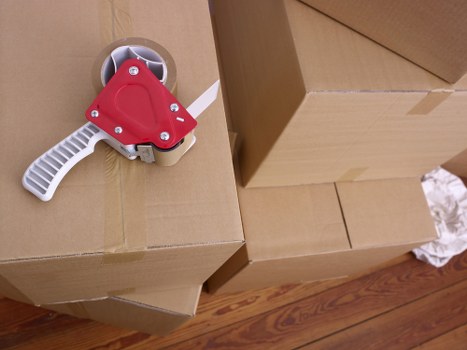 Team members are guided to separate streams such as cardboard, film plastic, metal, and general waste at source, helping to keep recycling clean and efficient. We also review how much waste is produced from packaging and move toward smarter procurement choices, including reusing incoming packaging where possible. This approach helps ensure the Ratcliff Storage recycling programme is not just aspirational but workable in everyday operations.
Transport is another area where we are making practical improvements. Our low-carbon vans are chosen to reduce emissions on local journeys, helping us move goods, materials, and equipment with a smaller environmental footprint. These vehicles are particularly useful for short urban trips, where stop-start traffic can make fuel efficiency a bigger challenge. Using lower-emission vans supports a cleaner logistics model and complements the rest of our sustainability work.
We are also mindful of how our transport choices fit with local recycling infrastructure. Many boroughs now encourage residents and businesses to separate waste into clearly defined streams, including dry mixed recycling, food waste, and residual waste. That same logic applies to our operations: cleaner separation makes recycling easier, and smarter routing makes collection more efficient.  By combining better sorting with lower-carbon transport, we reduce avoidable emissions across the chain.
Another important part of our sustainability work is the treatment of specialist waste. Certain items may need dedicated recovery routes, particularly if they contain mixed materials or cannot be handled through standard recycling channels. In those cases, we rely on trusted local facilities and responsible waste partners to ensure materials are processed correctly. This helps us stay aligned with both environmental expectations and best practice in storage recycling. The result is a system that is careful, compliant, and increasingly circular.
Looking ahead, we continue to raise the bar on our recycling percentage target by improving tracking and reducing the amount of waste created in the first place. Preventing waste is always preferable to managing it later, so we are focused on reusing items, choosing durable materials, and designing processes that minimise excess packaging. 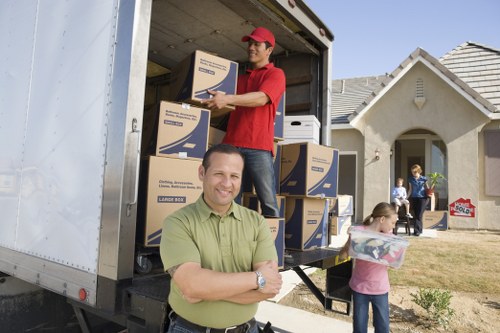 These steps support a more efficient operation while reinforcing the values behind Ratcliff Storage sustainability.
We believe sustainability should be visible in everyday decisions, not just in policies. That is why our recycling and reuse efforts are linked to practical action: partnering with charities, using local transfer stations, keeping waste separation clear, and operating low-carbon vans wherever possible. Together, these measures create a balanced approach that is both environmentally responsible and operationally sensible. For customers and communities alike, it shows that storage can be managed with a lighter impact and a stronger focus on the future.